A Warmhearted Design That Bridges Generations
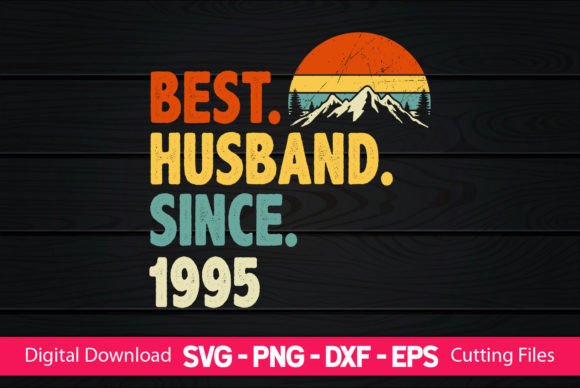
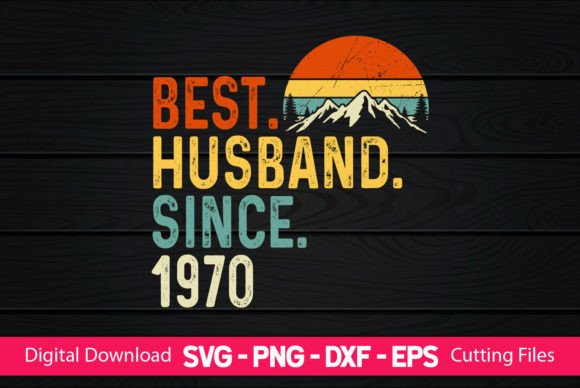
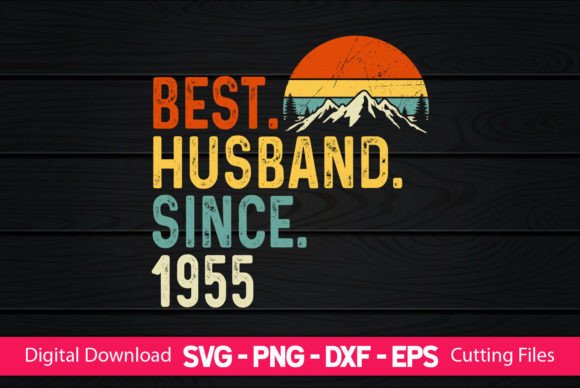
Let me begin by saying that the ‘Best Husband Since 1955’ design is a compelling piece. From a design perspective, it’s not just a date; it’s a story, a badge of honor, and a statement of longevity packaged into a single, clean graphic. As someone who reviews countless embroidery files for practical use, my first impression is that this design carries a distinct mood: nostalgic, celebratory, and deeply personal. It feels classic and stable, a perfect anchor for a heartfelt custom apparel project.
Where This Design Finds Its Perfect Home
Imagine you have a client, or perhaps a family member, celebrating a milestone anniversary. You’re tasked with creating a truly special personalized gift. A sturdy canvas tote bag, a cozy fleece blanket, or a premium cotton sweatshirt—these are the canvases where ‘Best Husband Since 1955’ truly shines. The design’s layout, with its clear central statement, lends itself to being a focal point. I’ve mentally run through stitching it on a heavyweight sweatshirt embroidery project, and I can already picture how the crisp lettering and the solid, foundational year would look after stitching. It communicates value and care, which is exactly what you want for a handmade product meant as a tribute.
For small business merchandise, such as items for a boutique or craft fair products, this design could be a wonderful, evergreen offering. It taps into a universal theme of appreciation. A simple, well-executed embroidered patch with this sentiment on a denim jacket or a crisp apron feels authentic and would likely resonate with buyers looking for a meaningful, rather than merely decorative, item.
Considering the Stitching Reality
Now, let’s talk about the real-world application. The design’s strength lies in its straightforward composition. For machine embroidery, areas like the number ‘1955’ will likely use a fill stitch, while the lettering would be perfect for a clean satin stitch. This clarity is a boon for stitching clarity on final products. However, this is where practical judgment comes in. The ‘Since’ and the year contain smaller details and corners. On a highly textured fabric like a towel or a loosely woven blanket, those tiny serifs in the numbers could lose definition if not stabilized properly. Similarly, on a curved surface like a cap, the design’s horizontal layout would require careful hooping and consideration of stitch density to prevent distortion.
I would instinctively avoid using it on very thin or stretchy fabric without a rock-solid stabilizer plan. The density needed for that impactful look could puckering on a lightweight t-shirt. It’s a design that demands a stable foundation, much like the marriage it celebrates!
Navigating Potential Pitfalls for Professional Results
Your goal is a professional finish that builds customer trust. For dark fabric, this design becomes an interesting study. A white or light thread color would pop beautifully, but you must ensure your stitch density is sufficient so the background fabric doesn’t peek through and dull the statement. Always, always test the design on scrap fabric first. Use the same material and stabilizer combo you plan for the final project. This is non-negotiable for any serious embroidery project.
Pay close attention to the small details in ‘1955’. In a small hoop size, those numerals might require you to simplify or ensure your machine and thread handle fine detail well. Before running a full job, inspect these areas in your software’s preview and consider doing a test it in black and white mockups to check form over color.
The Impact on Your Craft Business
From a commercial perspective, ‘Best Husband Since 1955’ affects more than just stitching. It elevates the perceived value of the finished product. On a high-quality tea towel or pillow cover, it transforms the item from a simple home good into a cherished heirloom gift, boosting its giftability significantly. For an Etsy seller or digital product seller, offering this as a completed embroidered item or as part of a printable mockup for a digital listing speaks to a niche market looking for anniversary and celebration items. It adds a layer of brand consistency if your shop specializes in sentimental, family-oriented designs.
However, a crucial note: the product information specifies it's a digital file for cutting machines, falling under Print Templates and Graphics. As an embroidery designer, you are likely adapting this graphic into an embroidery file. This is common practice, but it brings up the essential step of confirm licensing before selling finished items or digital products. You must verify that your use, especially for commercial embroidery projects where you sell the physical stitched item, is permitted under the file's license. Never assume.
Final Practical Notes for the Maker
To wrap up this evaluation, here’s my distilled advice for using ‘Best Husband Since 1955’ in your work. Pair it with fabrics that have substance: mid-weight cottons, canvas, denim, stable fleece. It’s ideal for items that don’t undergo brutal, frequent washing, as the dense stitching will hold up better. For baby embroidery on a keepsake blanket, it’s perfect; for a daily-use kitchen apron, consider the wash-and-wear reality.
When choosing thread colors, think contrast. This design thrives on high visual impact. Compare light and dark fabric backgrounds in your planning. Use proper stabilizer—likely a cut-away for permanent items like patches or a tote bag, or a heavy tear-away for less flexible fabrics. The design’s personality is warm and direct, so let your technical execution honor that by being clean and precise.
In essence, ‘Best Husband Since 1955’ is more than a graphic; it’s a ready-made sentiment for your craft business. With thoughtful application on the right product and meticulous attention to the embroidery process, it will result in a product that feels both professionally made and deeply personal, exactly what your clients and customers are looking for.