Most Likely to Decorate Her Dog: A Designer’s Review
A Whimsical Design with Instant Appeal
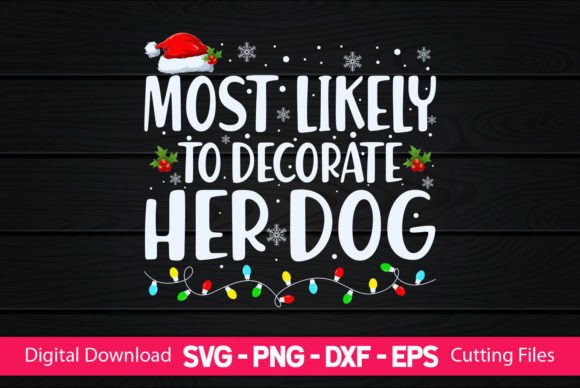
When I first opened the Most Likely to Decorate Her Dog embroidery file, my immediate thought was, “This is pure personality.” It’s not just a phrase; it’s a playful, confident statement that tells a little story about its wearer. The layout feels balanced and ready to stitch, with a visual personality that is both humorous and endearing. For anyone in the craft business, designs like this are gold—they connect emotionally right from the hoop. This isn’t a generic graphic; it’s a conversation starter waiting to be stitched onto a custom apparel item.
Where This Design Shines in Real Projects
I envisioned this on a cozy, washed-cotton sweatshirt, the kind a client might order as a personalized gift for a friend who genuinely dresses up her pup. That’s the perfect real-life scenario. But its applications are wonderfully broad. The clean, bold lettering makes it a strong candidate for a statement tote bag design or a crisp kitchen apron. For Etsy sellers focusing on baby embroidery, it could be charming stitched lightly onto a baby blanket or a nursery decor piece for a dog-loving family. As a embroidered patch, it becomes a versatile craft business asset, easily applied to caps or backpacks.
For holiday embroidery or wedding gifts, pairing it with a small, simple dog motif (not included in this file) could create a fantastic personalized product. In a small shop product line, this design adds a niche, trendy item that stands out at a craft fair. Its tone is light and modern, elevating a basic tee or pillow cover into a handmade product with real character.
Considering Fabric and Form
On a practical level, the design’s success hinges on stitch execution. On smooth, stable fabrics like canvas for bags or mid-weight cotton for sweatshirts, it will look crisp. The potential challenge lies in the stitch density for the lettering—if it’s set with a dense fill stitch, it could become too stiff for very thin or stretchy fabric like a fine t-shirt. Always test the design on scrap fabric first. For curved surfaces like caps, the layout seems adaptable, but you must use a proper stabilizer and consider how the letters will conform to the curve.
Navigating the Tricky Details
Every machine embroidery design has its considerations. With a phrase-based file like this, the small details are the lettering itself. Before running a full project, inspect small details in a test stitch. Check that the spaces between letters are clear and that any decorative accents, if present in the file, don’t become lost in translation. Thread color contrast is paramount. On dark fabric, a bold, bright top thread will make it pop; on light fabric, you might choose a classic black or a fun color to match the playful mood. I always advise compare light and dark fabric backgrounds in your digital previews to plan your thread palette.
For products that need frequent washing, like tea towels or baby clothes, a robust satin stitch or a clean running stitch outline (depending on the file’s stitch types) will hold up better than overly delicate detailing. The design’s visual appeal and stitching clarity directly impact customer trust and the professionalism of your finished product. A well-executed stitch here looks intentional and high-quality, reinforcing your brand consistency as a maker.
A Note on Scale and Texture
Be mindful of scale. In very small hoop sizes, the lettering might need simplification to remain legible—review the file closely for this. On heavily textured fabrics, like a chunky knit blanket, the design could lose some definition. This isn’t a limitation, just a design choice: it might be best suited for smoother materials where the text reads cleanly. This preserves the handmade presentation and ensures the joke—the core of the design’s value—is delivered perfectly.
Turning a Digital File into a Loved Product
The journey from a digital embroidery file to a product someone buys or gifts is about foresight. For commercial embroidery projects or for selling the finished items in your shop, the first step is always to confirm licensing before selling finished items. The product description indicates it’s a digital file for cutting machines, so clarify its permitted uses for commercial design assets. Once cleared, think about buyer engagement. How will this look in your Etsy listings or printable mockups? A stitched sample on a simple tote bag in a printable mockup shows the giftability and tangible charm far better than just the digital preview.
Final Designer Notes for Your Workflow
My routine with any new file like Most Likely to Decorate Her Dog involves a few key steps. First, I run a test on my intended base fabric, checking hoop size compatibility and whether any corners or details need adjustment. I review stitch density settings on my machine to avoid puckering. I also test it in black and white mockups to see how it holds up as a pure shape, devoid of color. This helps assess its strength as a design. Finally, I consider its place in a collection. For a creative entrepreneur, this design could anchor a line of pet-themed items, adding recognition to your shop’s niche.
In essence, Most Likely to Decorate Her Dog is a delightful, ready-to-use graphic with a strong market fit for personalized, humor-driven goods. Its value isn’t just in the digital file you receive; it’s in the real, stitched smile it creates on a sweatshirt, bag, or gift. Approach it with a practical eye for fabric and stitch settings, and it will become a reliable, engaging asset in your embroidery project lineup.