The Warm Charm of Nonna Claus Embroidery
First Impressions: A Hug in Stitched Form
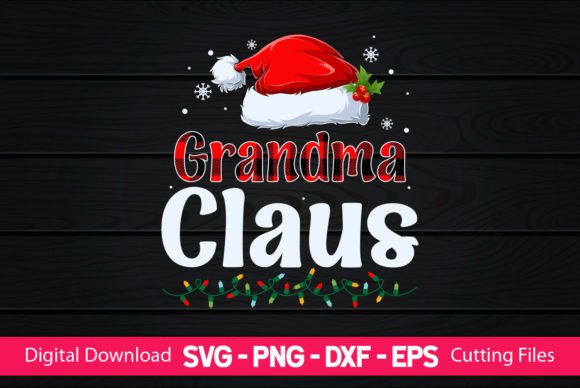
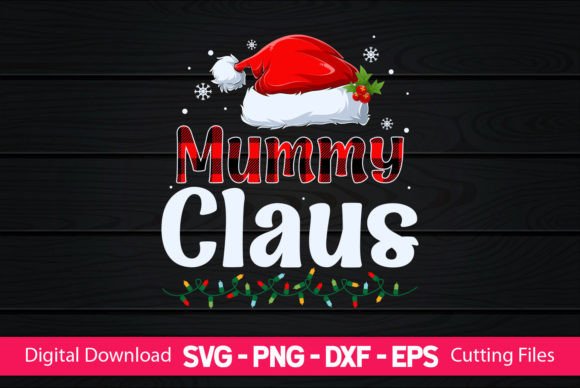
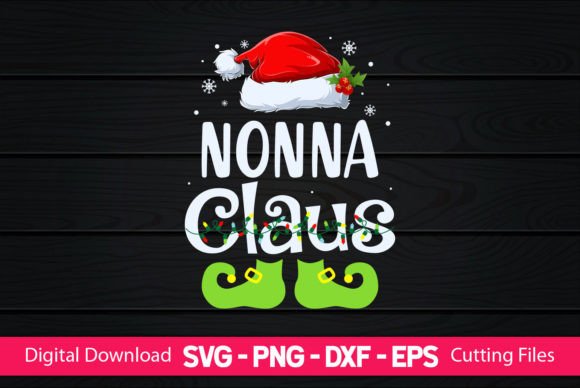
Opening the Nonna Claus design file, my immediate thought isn't about technical specs—it's about mood. This isn't the standard, imposing Santa. This is a grandmotherly figure radiating warmth and gentle holiday spirit. The shape and layout feel inherently cozy, with a visual personality that leans into nostalgia and heartfelt connection. It’s a design that whispers rather than shouts, perfect for projects where the emotion behind the gift is the real product.
For an embroidery designer, that first impression dictates everything. This design naturally belongs to personalized gifts, boutique holiday merchandise, or any project where you want to evoke a sense of family tradition and handmade care. The detail level appears balanced, not overly dense, suggesting it will translate well into stitch without becoming a swampy, thread-heavy patch. That’s a crucial practical consideration right from the start.
Where Nonna Claus Finds Her Home: Real Project Scenarios
Imagine you’re preparing a custom embroidered tote bag for a client’s holiday market. You want something unique, not another generic snowflake. Nonna Claus stitched onto a natural canvas bag instantly creates a story. It feels like a product with a narrative, which elevates its value for a small shop owner. On a baby’s sweater or a nursery decor pillow, the design shifts from merely festive to sentimental—a keepsake piece. That versatility is a strong point.
For apparel decorators, a sweatshirt or apron featuring this design becomes a wearable piece of holiday comfort. I think about how it would look after stitching: the softer lines should result in clean satin stitches and fill areas that aren’t intimidating to hoop. On a kitchen towel or a pillow cover, it becomes a decorative accent that doesn’t overwhelm the item’s function. The theme is strong, but the execution seems manageable, which is key for turning a digital embroidery file into a flawless finished product.
Commercial Crafting and Customer Appeal
From a small business perspective, Nonna Claus affects more than just aesthetics. For an Etsy seller or creative entrepreneur, using a design with this specific charm can boost buyer engagement. It stands out in a marketplace crowded with identical holiday graphics. A customer browsing for a handmade gift isn't just seeing a decoration; they’re seeing a memory waiting to be made. That connection builds customer trust and can enhance your brand’s consistency if you specialize in heartfelt, narrative-driven work. The giftability factor here is high.
In a craft fair setting, an embroidered cap or a tea towel with this design displayed on a printable mockup draws a different kind of attention—it invites questions and stories. That’s invaluable. For commercial embroidery projects, provided licensing is confirmed, it could become a reliable asset for a series of holiday products, from personalized gifts to limited-run boutique merchandise.
Practical Considerations: Where to Use with Care
While the design appears well-balanced, any embroidery designer knows that a good digital file needs a thoughtful human hand. On very small hoop sizes, any tiny lettering or intricate decorative accents might lose clarity. My advice is always to test on scrap fabric first, especially if you plan to stitch on textured fabrics like sweaters or on stretchy fabric where stabilizer choice is paramount.
Dark fabric backgrounds require careful thread color contrast planning—a detail you can’t judge from a screen preview alone. Stitching on curved surfaces like caps demands checking the design’s layout for any dense stitch areas that might pucker on the curve. And for products destined for frequent washing, like baby clothes or kitchen linens, you’ll want to review the stitch density in the actual embroidery file to ensure durability. These are the realistic checks that separate a good project from a great one.
Designer Notes for a Smooth Stitch
Before committing Nonna Claus to a client’s project or your own product line, run through your standard protocol. Test it in black and white mockups to check form clarity without color distraction. Compare how it reads on both light and dark fabric backgrounds mentally—then actually stitch samples if possible. Use the proper stabilizer for your chosen base material; a design with this thematic weight shouldn’t be undermined by technical skimping.
Critically, confirm the licensing details before selling finished items. The product description notes it’s a digital file for cutting machines, but for embroidery application, you must ensure your usage—whether for personal projects or commercial embroidery—is covered. Do not assume. This is a fundamental step for any professional or craft business.
The Final Verdict: A Design That Adds Value
Nonna Claus isn’t just another holiday graphic. It’s a design asset with a specific emotional resonance that, when executed well, elevates the perceived value of the embroidered product. Its visual appeal stems from its unique character, which translates into stitching clarity and a professional, handmade presentation. For the maker, it offers a clear path to projects that feel meaningful. For the customer, it offers a product that feels considered and special.
As an embroidery designer reviewing it for real use, my judgment is practical: this design has a strong place in the world of holiday crafts and personalized gifts. Its success hinges on your standard good practices—hoop size matching, fabric choice, stabilizer, and thread selection. But the foundation it provides is solid. It invites you to create something warm, something that might just become someone’s new holiday tradition, stitched into fabric with care.