Tracing Numbers: A Craft & Coloring Page Asset for Real Projects
From a professional designer’s perspective, evaluating a new design asset like Tracing Numbers - Coloring Page isn’t about the listing details. It’s about a cold, practical assessment: will this graphic work for a real client’s needs? Can it elevate a project beyond a generic look? Let’s put it through that lens, imagining a recent project: a boutique children’s clothing brand launching a new line of organic tees needed cohesive, warm, and playful visuals for their packaging, social campaign, and website.
The Immediate Visual Mood: Playful Structure
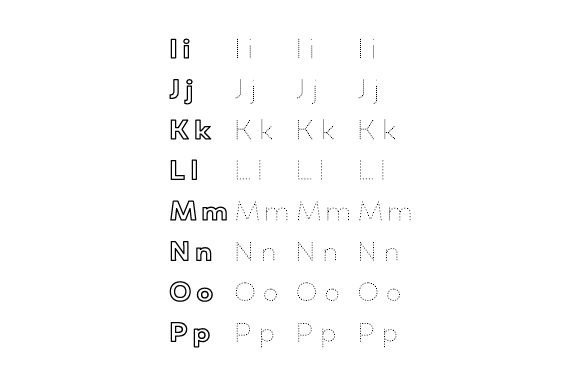
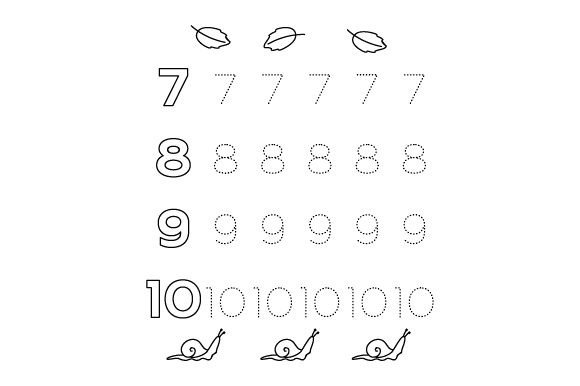
The first impression of Tracing Numbers - Coloring Page is one of organized whimsy. It carries the inherent structure of numbers—clear, recognizable forms—but styled with the soft, approachable feel of a coloring page. This isn’t chaotic childish clipart; it’s a designed element that suggests learning, growth, and handmade care. It naturally fits clients in the handmade business, educational niches, family-focused brands, or any small business branding project aiming for a warm, engaging, and slightly nostalgic tone. For that children’s clothing brand, it instantly offered a visual hook that felt both educational and cozy.
Performance in Actual Design Situations
In real-world application, this asset’s versatility becomes clear. The provided formats—SVG, PNG, EPS—mean it’s ready for both digital and physical commercial design.
- For logo design or brand identity, the numbers could serve as a custom, illustrative lockup with a brand name, especially for a kids’ shop or craft studio.
- In packaging design—like the tags for those organic tees—the numbers as decorative accents add a thematic touch without overwhelming the necessary information.
- For marketing visuals: social media graphics announcing a “10-Day Countdown” sale, Pinterest pins for a learning activity, or Instagram posts showcasing a new product line numbered for features.
- In Cricut projects, the SVG file allows for clean cutting for sticker designs, appliques, or custom t-shirt design elements.
- As a printable design, it’s perfect for activity sheets included in product packaging, or as printable wall art in a retail space.
- Within editorial design for a parenting blog or web design for an Etsy shop, it can break up text and create a consistent visual theme.
Where This Asset Shines Brightest
Tracing Numbers - Coloring Page excels as a supporting character, not always the hero. It works best in:
- Large layout areas where its coloring-page texture can be appreciated, like on a poster or a tote bag.
- Decorative accents on product mockups, like subtly etched on a mug or as a pattern on a notebook cover.
- Themed collections, using a series of numbers to create a unified campaign visual for a launch.
- Packaging details, such as numbered icons for different product variants.
- Social media posts and Canva templates where a single, large number can anchor a graphic with bold simplicity.
Strategic Limitations and Careful Use
A professional review must also note constraints. This asset should be used carefully in:
- Small sizes, where the tracing-line details may become fuzzy and lose clarity, harming visual hierarchy.
- Crowded layouts with complex backgrounds; it needs clean space to maintain its approachable feel.
- Projects requiring very clean visual hierarchy or minimalist branding; its handmade texture might clash.
- Professional corporate materials where a more neutral, geometric typeface would be expected.
Its primary function is emotional appeal and engagement, not stark information delivery.
Impact on Brand Perception and Practicality
Integrating this asset affects a project’s final polish. It boosts emotional appeal and audience engagement with a target demographic that values creativity and learning. For a brand, it can enhance visual trust by showing a consistent, thoughtful style. However, brand consistency means using it judiciously—it shouldn’t replace a brand’s primary clean sans-serif font for critical readability.
Before committing it to a client project, a designer’s due diligence is key:
- Test it in black and white to ensure it holds up in single-color print scenarios.
- Check contrast on light and dark backgrounds; the transparent PNG is useful, but the lines may need a stroke on very dark surfaces.
- Preview it at small and large sizes in your actual layout software.
- Place it on real mockups—a t-shirt, a book cover, a web banner—to see how it interacts with other elements.
- Test print quality, especially if using the EPS or SVG for physical print-on-demand products.
- Review the file formats for your use case: SVG for editable vector scaling, PNG for quick digital placement.
- Compare its handwritten font style against other type styles (serif, sans-serif, script) in your layout to confirm it’s the right stylistic choice.
- Crucially, confirm commercial licensing for the asset before any client or business project use.
Final Judgment: A Niche Tool for Creative Projects
Tracing Numbers - Coloring Page is not a universal graphic design asset. It’s a specific tool. For the right project—that children’s clothing brand, an Etsy shop selling learning kits, a seasonal campaign for a local family event—it provides a ready-made, polished element that injects warmth and theme. It saves design time while offering a cohesive look that feels intentional. In a marketplace saturated with generic assets, this kind of themed, stylized illustration can help a creative design project stand out with a sense of playful professionalism. The final verdict? For clients in the crafts, education, and family-focused niches, it’s a worthy addition to the asset library, provided it’s applied with the strategic care outlined above.