Nice Naughty Not Telling: A Design Review from the Hoop
First Impressions: Whimsical, Witty, and Ready to Stitch
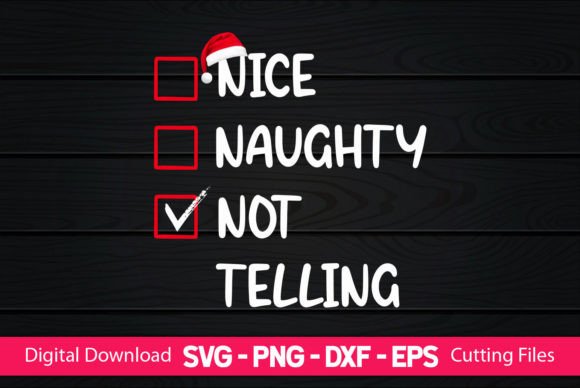
When you first look at Nice Naughty Not Telling, its playful personality jumps out. The layout feels balanced, with a clear central theme that’s neither overly childlike nor too mature—it lands perfectly in that sweet spot of clever, cozy humor. The shape and detail level suggest it’s built for clarity, not clutter. My immediate thought was how well this would translate into stitches; the elements look designed to be stitched cleanly, without too many tiny, fragile details that can get lost in embroidery. The mood it creates is lighthearted and a bit mischievous, making it feel like a natural fit for personalized gifts or boutique products where you want to add a smile.
The Natural Habitat: Where This Design Stitches Up Perfectly
In practical use, this design belongs on items where its message can be appreciated daily. I pictured it immediately on a well-made tote bag for a book lover or a cozy, heavyweight sweatshirt. It has the visual weight to stand alone as a central motif on a pillow cover or a kitchen towel. For a small business owner, it’s a strong candidate for a simple, effective embroidered patch. The theme also leans nicely into holiday gifts—think a custom tea towel for a host or embroidered nursery decor with a wink. For apparel decorators, a left-chest placement on a t-shirt or a centered design on a baby onesie (using appropriate stabilizer, of course) would work beautifully. It’s a design that doesn’t scream “seasonal,” so it has year-round appeal for an Etsy shop or craft fair table.
Thinking Through a Real Project: The Custom Tote Bag
Let’s walk through a real scenario. I’m considering Nice Naughty Not Telling for a custom embroidered tote bag order. The client wants something unique but not overly sentimental. This design fits: it’s conversational but not invasive. On a sturdy canvas tote, the stitches will hold up well. I’d likely use a satin stitch for the bold elements and a fill stitch for any larger areas, ensuring the text remains legible. The layout means I don’t need an enormous hoop, probably a standard size handles it. My main concern here is thread color contrast against the bag’s fabric. On a light bag, darker, rich threads would pop; on a darker bag, I’d plan for a bright, clean white or a pale pastile to keep the wit visible. The result feels handmade but professional, elevating a simple bag into a thoughtful product.
Where Caution and Preparation Come Into Play
While the design appears straightforward, embroidery always demands a practical eye. On very small items, like the curved surface of a cap, the smaller details would need careful testing to ensure stitch clarity. On thin or stretchy fabrics—say, a lightweight t-shirt—proper stabilizer choice is non-negotiable to prevent puckering and maintain the design’s crisp shape. For dark fabrics, the stitch density and choice of thread become even more critical; a dense fill on dark cotton can look superb, but you must test first. I’d avoid using it on items that will undergo extremely frequent, harsh washing (like daily kitchen linens) unless the embroidery file and my stitch choices are robust. The good news is, the design doesn’t look overly dense, which helps with durability and fabric integrity.
How It Adds Value to Your Work and Your Customer’s Experience
From a business perspective, Nice Naughty Not Telling affects more than just aesthetics. When stitched well, it boosts the perceived value of a handmade product. It feels intentional, not random, which builds customer trust. For a creative entrepreneur, it can become part of a cohesive brand if your style leans toward witty, homey themes. As a gift, it’s highly giftable—it’s personal without being overly specific, allowing the recipient to interpret it. That ambiguity is a strength. In a commercial embroidery project for a small shop, it stitches up quickly due to its clear layout, aiding turnaround time and professionalism. For digital product sellers using it in mockups, it creates an engaging preview that suggests a finished, tangible product people would want to own.
Practical Notes from the Worktable
Before you commit this design to a final project, here’s my standard checklist. Always test on scrap fabric first, using the same material and stabilizer you plan for the final item. This reveals any issues with small details or stitch tension. Check thread color contrast not just on screen, but with actual thread swatches against your fabric. Review the stitch density by looking at the file in your software; ensure it won’t overwhelm delicate fabrics. Confirm your hoop size can accommodate the design comfortably—don’t force it into a tiny hoop if it needs more space. Inspect the small lettering and corners; sometimes a minor adjustment in size or a switch to a running stitch for tiny elements can save the day. Test the design in black and white mockups to see how it holds up without color, and compare it on both light and dark background simulations. And crucially, as this is a digital file, confirm the licensing terms before selling any finished items or using it in commercial projects. The product description notes it’s for cutting machines, so ensure your machine embroidery design process is compatible or that you have the correct file formats for your embroidery equipment.
A Final Thought on Personality and Stitch
Nice Naughty Not Telling succeeds because it has a clear visual personality that embroidery can enhance, not obscure. In my work, a design that stitches up cleanly and carries a mood is more valuable than a technically complex one that fails in practice. This feels like a design that will look as good on the finished product as it does on the screen, which is the ultimate goal. Whether you’re an apparel decorator tackling a sweatshirt embroidery run, a hobbyist making a personalized gift, or a craft business owner adding a new tote bag design to your lineup, approach it with practical preparation. Then, let the stitches do the talking—or, in this case, the not telling.