Son of a Warrior Breast Cancer Awareness Design Review
The First Stitch: What This Design Actually Feels Like
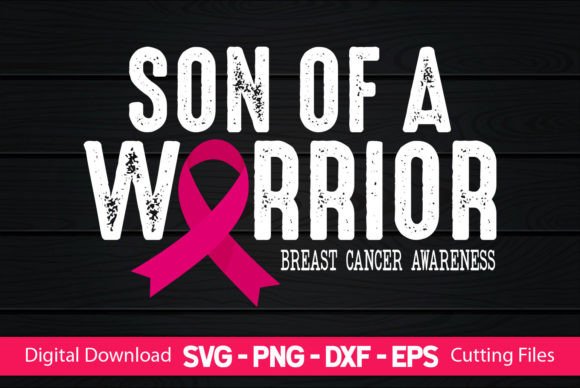
When I opened this file, my first thought was about mood. The name “Son of a Warrior” paired with the awareness theme creates a powerful, quiet strength. It doesn’t scream; it resonates. As an embroidery designer, that’s a crucial distinction. This isn’t just a graphic; it’s a statement waiting to be stitched into something tangible. The layout likely leans toward a central, emblematic style—perfect for an embroidered patch or a chest logo. The detail level in a design like this needs to be carefully judged for embroidery; too fine, and small lettering becomes a blur; too bold, and it loses its personal touch.
A Real Project Scenario: The Custom Embroidered Tote
Let’s picture a common scenario: a client wants a special tote bag for a friend undergoing treatment. You’re considering this design. On a sturdy canvas tote, using a satin stitch for the primary elements and a fill stitch for any solid areas, this design would transition from a digital file to a handmade product with serious emotional weight. The finished piece wouldn’t just be a bag; it would be a symbol. That’s the kind of visual personality you’re looking for in projects meant to convey support and resilience.
Where This Design Shines in Embroidery Projects
This design naturally belongs on items meant to be seen and used, where its message can live daily. For custom apparel, think of a high-quality sweatshirt or a soft t-shirt. The embroidery would become a focal point. For small business merchandise—say, a boutique selling inspirational goods—this could be beautifully worked onto pillow covers or kitchen towels as a recurring line. As a personalized gift, embroidered onto a blanket or nursery decor for a family affected, its value is immense.
For craft business owners and Etsy sellers, this design translates well into embroidered patches. Patches are versatile; they can be applied to caps, bags, or jackets. In commercial embroidery projects, such as a series of aprons for a healthcare fundraiser, the design offers a professional, cohesive look. Even in digital product previews and printable mockups for your shop, a well-embroidered sample using this file builds immediate customer trust and engagement.
Careful Placement: When and Where to Hoop It
Not every fabric is a perfect canvas. With a potentially detailed design like Son of a Warrior Breast Cancer Awareness, you must be strategic. On small hoop sizes, the intricacies might get lost. Textured fabrics like certain linens can distort clean edges. Stretchy fabric without proper stabilizer is a recipe for puckering. On dark fabric, your thread color contrast is paramount—a light, bright palette might be necessary.
Applying it to curved surfaces like caps requires careful digitizing adjustment to prevent distortion. If the design has tiny lettering or dense stitch areas, test meticulously. For items needing frequent washing, like baby clothes or tea towels, ensure your stitch density and stabilizer use are robust enough to endure.
The Impact Beyond the Stitches
How does this embroidery file affect the final product’s appeal? When stitched cleanly, it enhances stitching clarity and visual appeal, making the finished product feel valuable. For a small shop owner, that elevates brand consistency across a line of awareness-themed products. As a gift, it carries recognition and meaning, boosting its giftability tenfold.
From a professional standpoint, a well-executed embroidery project using this design demonstrates professionalism to clients. It shows you understand both the technical craft and the emotional context. For buyer engagement in an Etsy listing or craft fair display, a tangible embroidered sample using Son of a Warrior Breast Cancer Awareness speaks louder than any product description.
Practical Notes from the Embroidery Desk
Before you commit this design to a client’s project or your own merchandise, run these checks. Always test the design on scrap fabric first. Use the same fabric and stabilizer you plan for the final item. Check thread color contrast against both light and dark backgrounds. Review stitch density in the file—too dense can strain delicate fabrics; too light may look sparse.
Confirm your hoop size can accommodate the design comfortably. Inspect small details in your test run. It’s also wise to test it in black and white mockups to see how the composition holds without color. Use proper stabilizer for the fabric type; this is non-negotiable for quality results.
Crucially, check whether the design works for both personal and commercial projects according to its license. Since the product description mentions it’s a digital file for cutting machines, confirm licensing before selling finished items or digital products. The description lists SVG, PNG, DXF, EPS formats, so ensure your embroidery software can process the appropriate vector or image file for digitizing. Do not assume compatibility; verify it.
The Final Thread: A Design with Purpose
Son of a Warrior Breast Cancer Awareness, as an embroidery concept, is more than a craft graphic. It’s a design asset with a built-in narrative. Its real value is realized when it’s thoughtfully translated from digital file to embroidered reality on a tote, a sweatshirt, a baby item, or a patch. It fits projects where the maker’s skill and the design’s meaning converge to create something genuinely impactful. Approach it with the practical care of an embroidery designer—test, plan, and stitch with intention—and it will become a standout element in your embroidery project portfolio, whether for personal solace or a small business’s thoughtful product line.